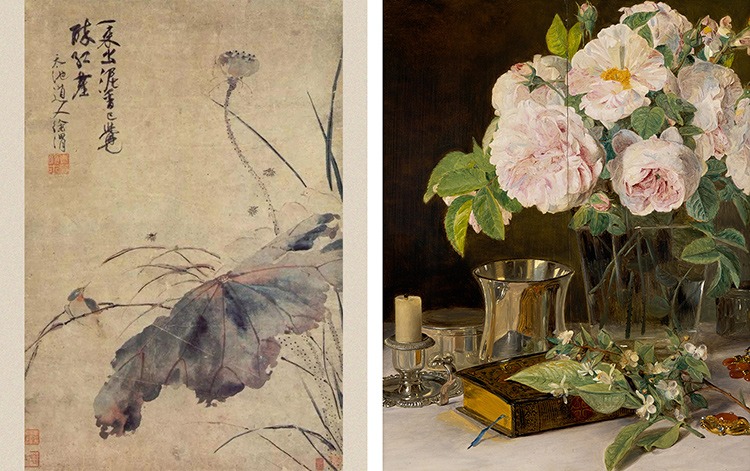
左:徐渭 《一束出泥香》;右:费迪南德•格奥尔格•瓦尔德米勒 《玻璃瓶中的玫瑰》 ©Belvedere, Vienna
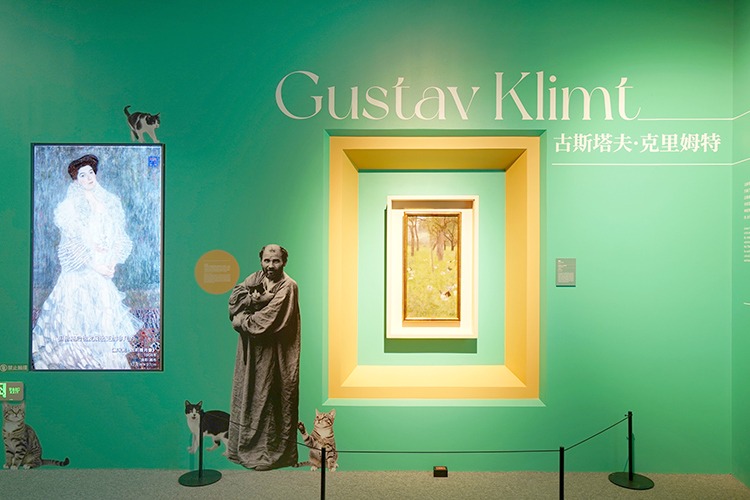
古斯塔夫·克里姆特作品《雨后》 (摄影/ 兰红超)
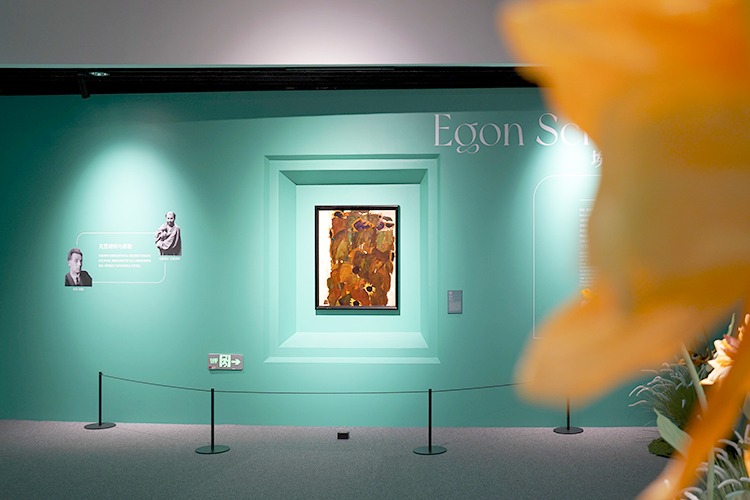
埃贡·席勒作品《向日葵I》 (摄影/ 兰红超)
The Meijing Palace is located in the center of Vienna and is the pinnacle of Baroque architecture. Gustav Klimt's masterpiece "Kiss" is collected here.
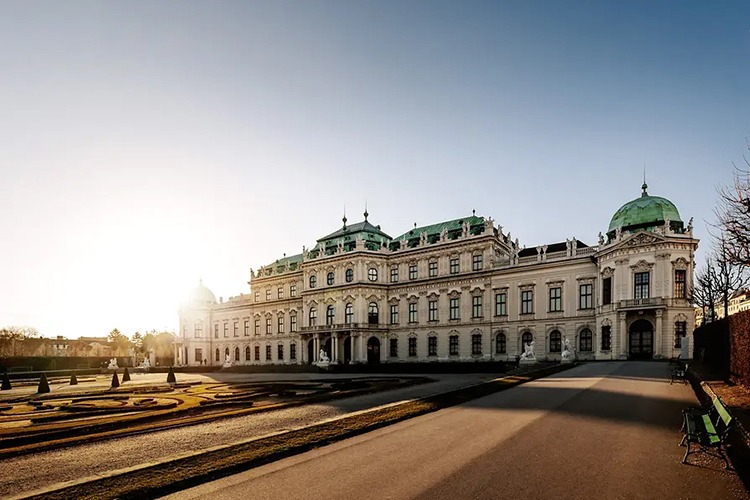
上美景宫 © WienTourismus/Paul Bauer
This exhibition showcases 60 precious original works by 35 artists from the Meijing Palace Museum, allowing the audience to witness a profound transformation of Austrian floral art from "decorative decoration" to "emotional media" from the Baroque period in the early 18th century to the expressionist period in the early 20th century.
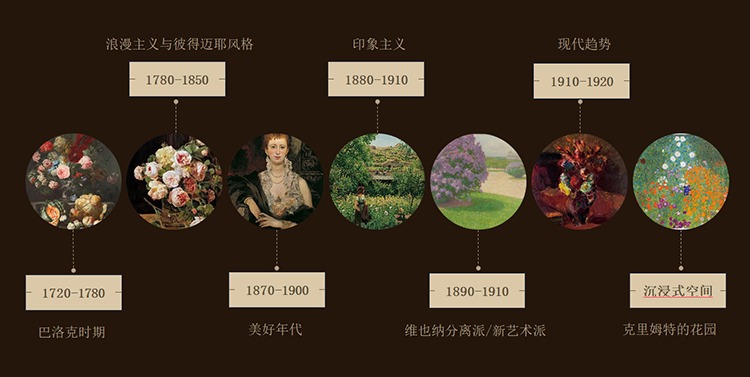
展览时间线
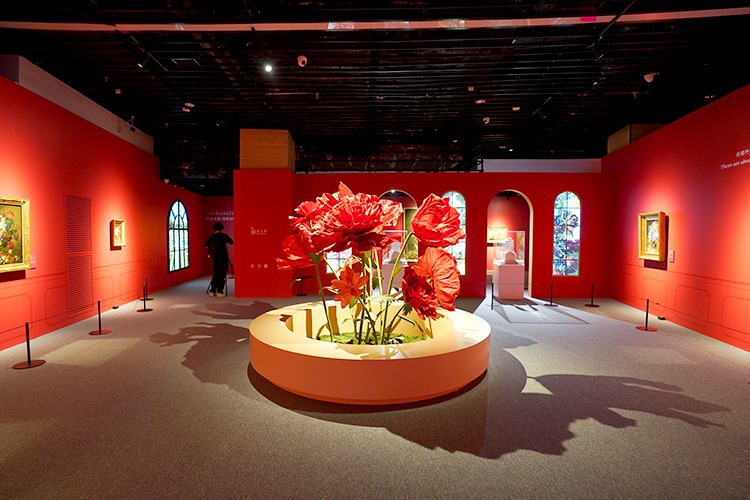
巴洛克“红”展区 (摄影/ 兰红超)
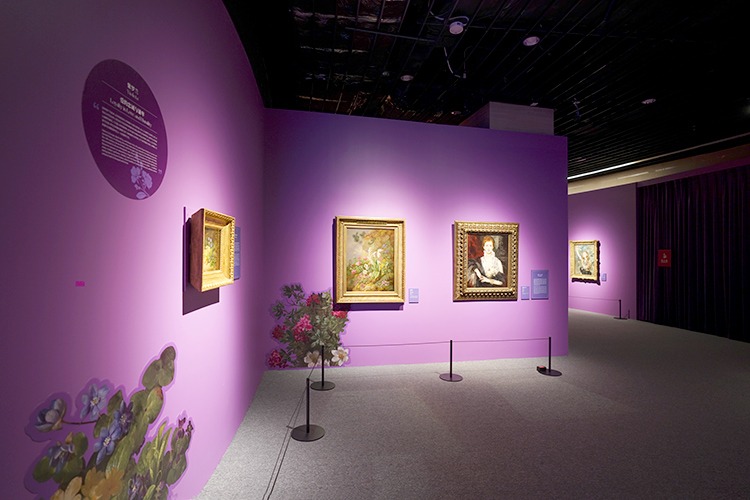
诗意浪漫“紫”展区 (摄影/ 兰红超)
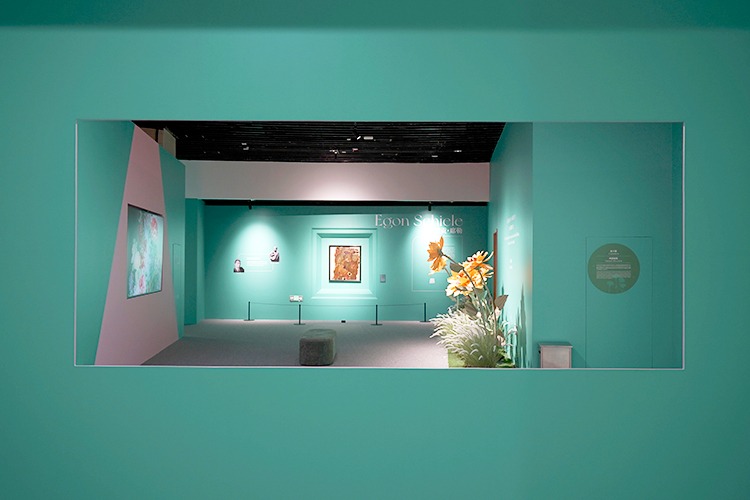
自然先锋“绿”展区 (摄影/ 兰红超)
Stella Rollig, Director of the Austrian Palace Museum The professor said in an interview with Art China, "This is a beautiful and special exhibition where visitors can see many famous Austrian artists, such as Klimt, Schiller, Wald Miller, and 35 other art masters. The exhibition chose floral painting as the theme because flowers are a universal language that can quickly connect with audiences from different countries and backgrounds. This means that the audience does not need to be an art historian or have a lot of knowledge about Austrian cultural history. They only need to stand in front of these pictures to appreciate the beauty expressed in these works. We hope that this exhibition can allow more Chinese audiences to see it, so as to deepen the cultural connection between China and Austria in the context of the 55th anniversary of the establishment of diplomatic relations between the two countries. Communication and interaction.”
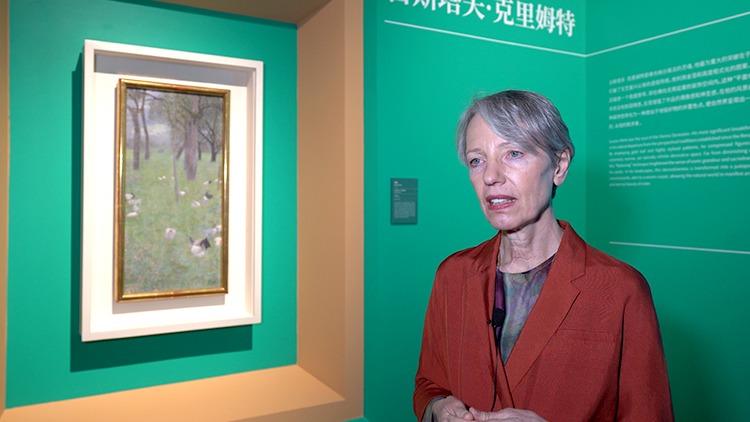
奥地利美景宫博物馆馆长Stella Rollig教授接受艺术中国采访 (摄影/ 马博瀚)
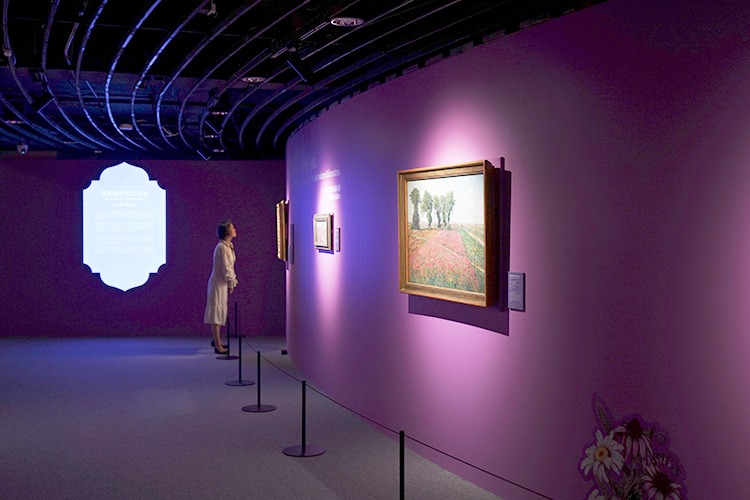
展览现场 (摄影/ 兰红超)
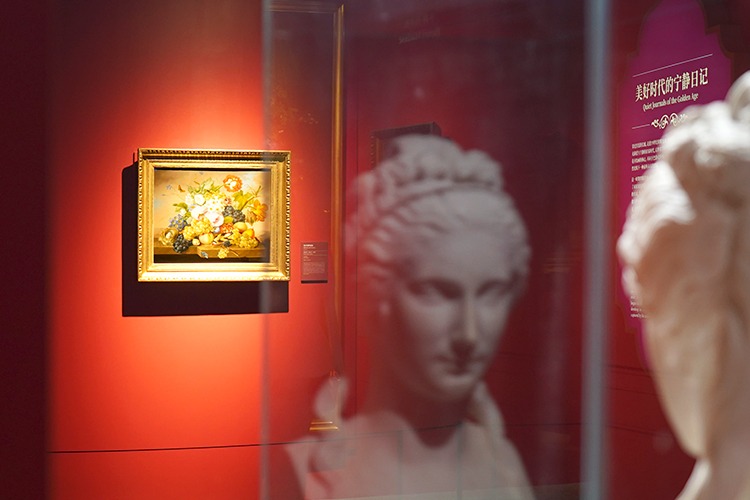
展览现场 (摄影/ 兰红超)
Curator Dr. Franz Smola said in an interview with Art China, "The works exhibited in this exhibition witness the changes in European art styles. Starting from decorative paintings and aristocratic interior paintings, from the early to late 19th century, we can see that the development of art history is recorded in floral creation. In Gustav Klimt's earlier landscape painting 'After the Rain', the audience can feel the emotions displayed in the picture, and the air and scenery after the rain are also exquisitely depicted and reproduced. Regarding the history of floral painting, Europe and China have different styles and routes. In terms of timeline, China has a long history and tradition of thousands of years, and its paintings have a stable and orderly style, including ink painting and meticulous painting, which are very different from Western oil painting materials and expression methods. In Europe, flowers may appear more in a decorative way, appearing on artworks, daily necessities, handicrafts, textiles, and even in indoor environments from Baroque to the 19th century for decorative purposes. They do not have as strong and profound symbolic significance as in Eastern culture, and in this regard, Eastern and Western art are completely different, yet each has its own characteristics
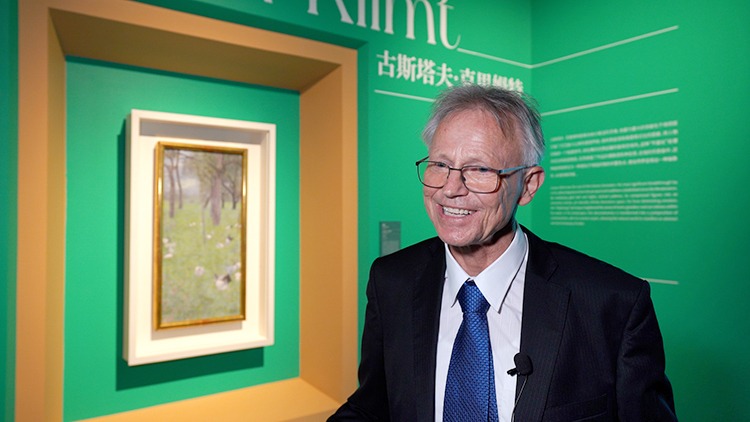
策展人Franz Smola博士接受艺术中国采访 (摄影/ 马博瀚)
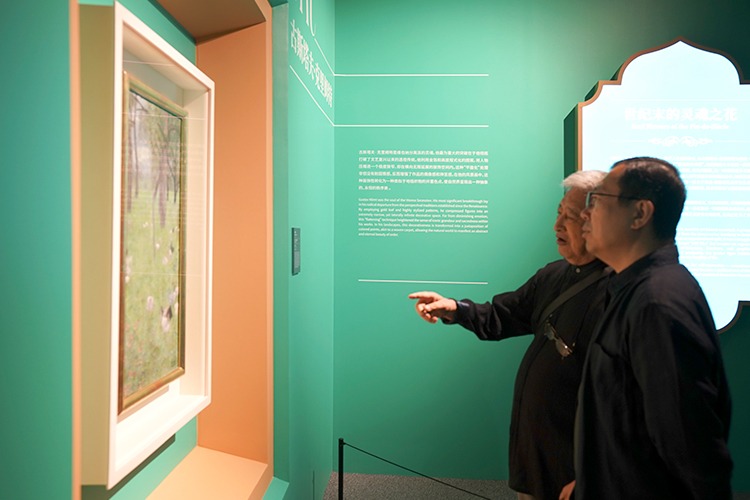
展览现场 (摄影/ 兰红超)
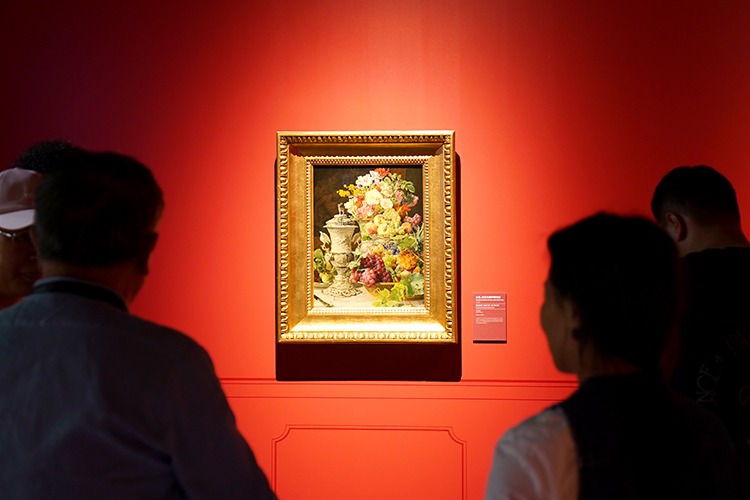
展览现场 (摄影/ 兰红超)
Yan Xinjiang, Chairman of Gehua Cultural Center and Deputy General Manager of Gehua Culture Co., Ltd., said in an interview with Art China: "The fate between the Chinese Century Altar and Austria has a long history. 11 years ago, on the occasion of the 44th anniversary of the establishment of diplomatic relations between China and Austria, we cooperated to hold the Austrian Centennial Painting Exhibition. Through the classic works of the Austrian Secession, the audience was able to appreciate the artistic charm of Austria. In 2026, which coincides with the 55th anniversary of the establishment of diplomatic relations between China and Austria, we once again joined hands with Meijing Palace to launch this exhibition. It is not only a continuation of our deep friendship in the past, but also a further improvement of our curatorial philosophy and international communication ability. Serving the public is our unchanged original intention. We hope to continue to deepen cultural exchanges between China and Austria through this exhibition, so that the audience can appreciate it. You can enjoy more and better world art masterpieces when you go abroad.”
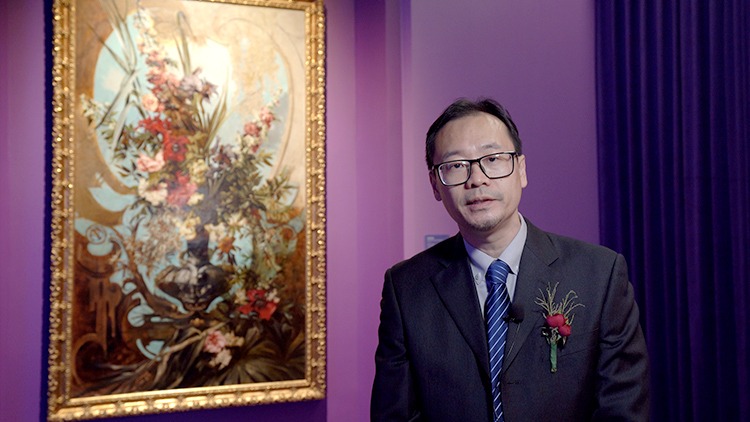
歌华文化中心董事长、歌华文化有限公司副总经理闫新疆接受艺术中国采访 (摄影/ 马博瀚)
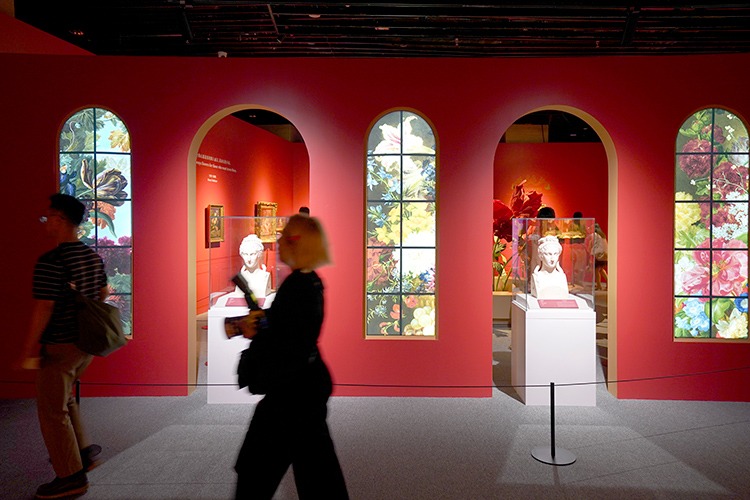
展览现场 (摄影/ 兰红超)
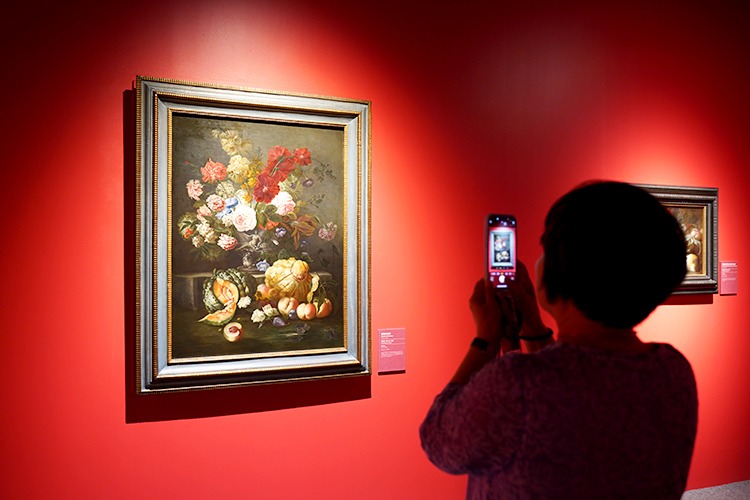
展览现场 (摄影/ 兰红超)
As the organizer of the exhibition, Song Xiaoyan, General Manager of Beijing Yidui Wood Design Consulting Co., Ltd., stated in an interview with Art China: "This exhibition, based on the cross century evolution of floral art, strives to create a fully sensory and immersive experience and feeling for the audience. Flowers are the most basic color carrier in the world, and based on this characteristic, we have strengthened the color narrative to echo the theme in this exhibition. Whether it is Baroque red, suitable romantic purple, or natural avant-garde green, visitors can feel different color emotions in different color exhibition areas. At the same time, this exhibition is also a garden of life, time, and aesthetics. We introduce the aesthetics of smell into it. When the audience appreciates the paintings, they can smell the natural scent of green grass, especially in the video display area where the images, sounds, and smells are intertwined, allowing the audience to have a more immersive experience. In addition, the exhibition also specially set up an immersive space for Klimt, where you can see the display of all Klimt's representative works, in order to have a more comprehensive understanding of the creation and characteristics of this Austrian national treasure artist. As one of the organizers of this exhibition, Beijing Yidui Wood Design Consulting Co., Ltd. will make full use of the resources and artistic resources of museums in Europe in the future, promote Chinese art to go abroad, and at the same time introduce more and better foreign art into China, enhancing the deep exchange of Chinese and foreign cultural arts.”
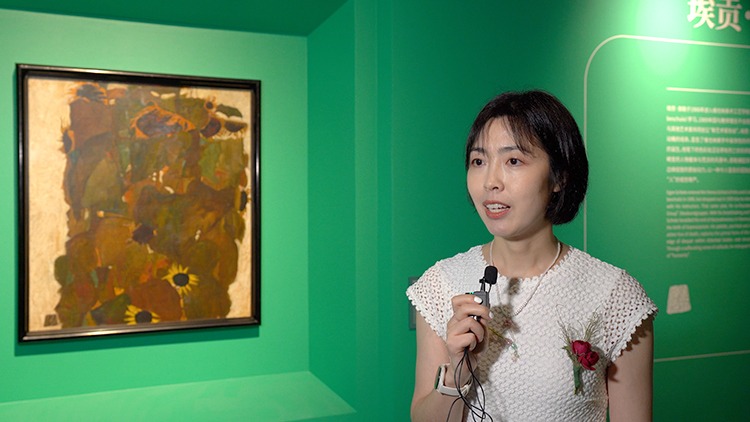
北京一对木设计顾问有限公司总经理宋笑艳接受艺术中国采访 (摄影/ 马博瀚)
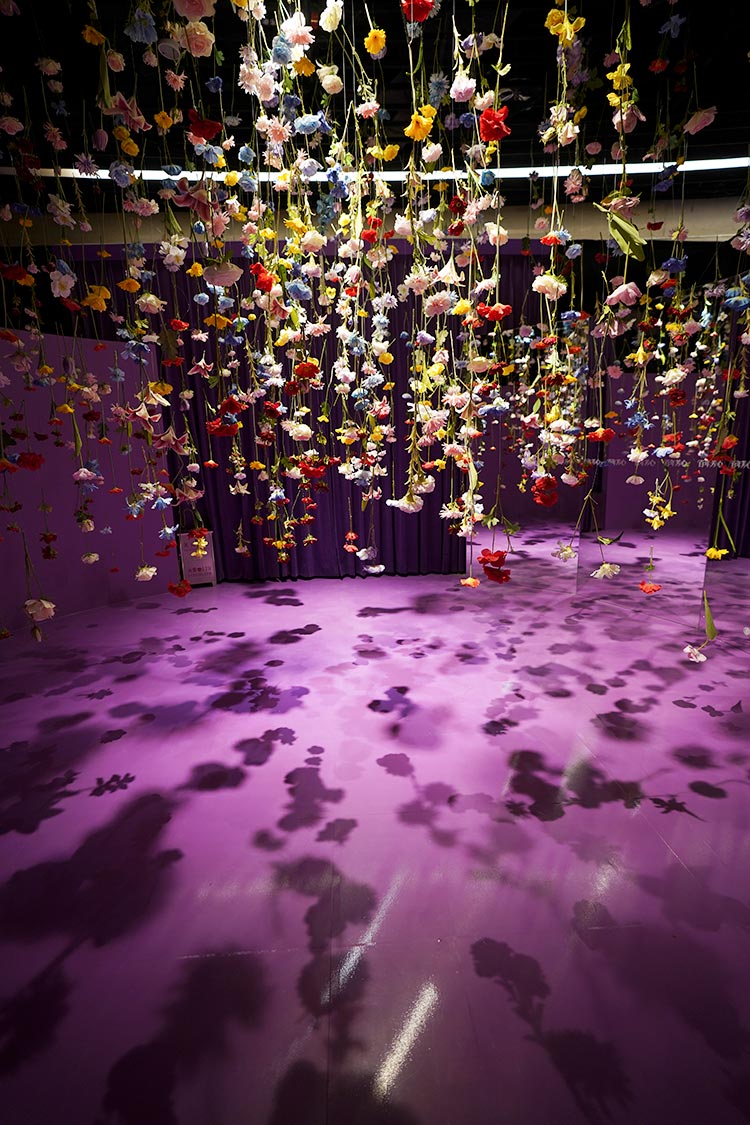
展览现场 (摄影/ 兰红超)
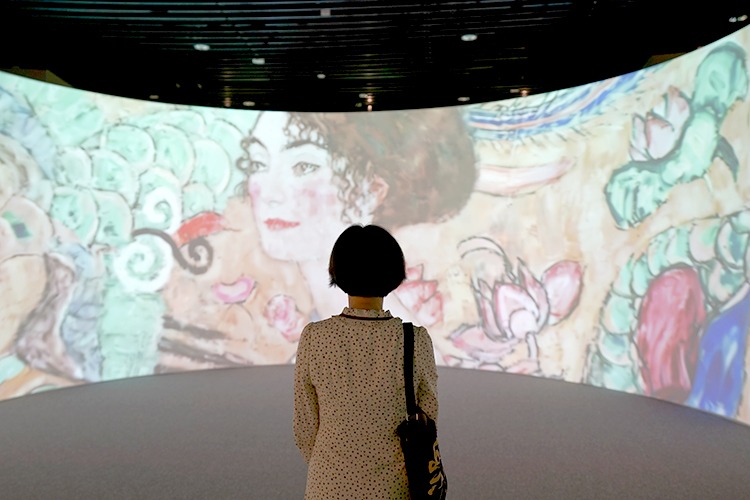
展览现场 (摄影/ 兰红超)
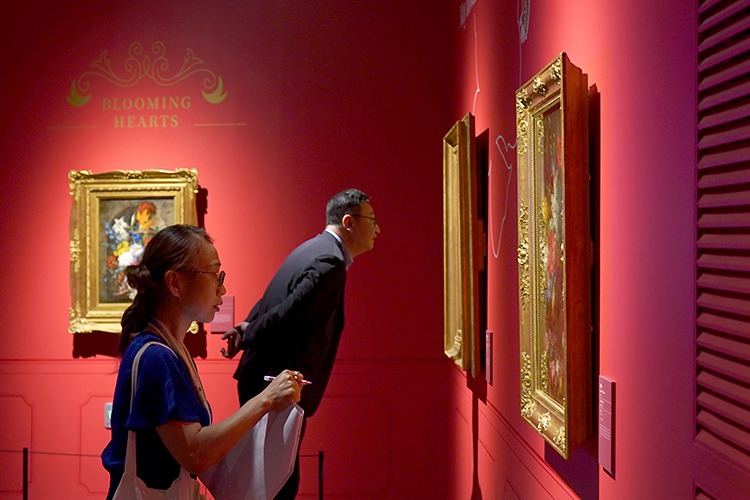
展览现场 (摄影/ 兰红超)
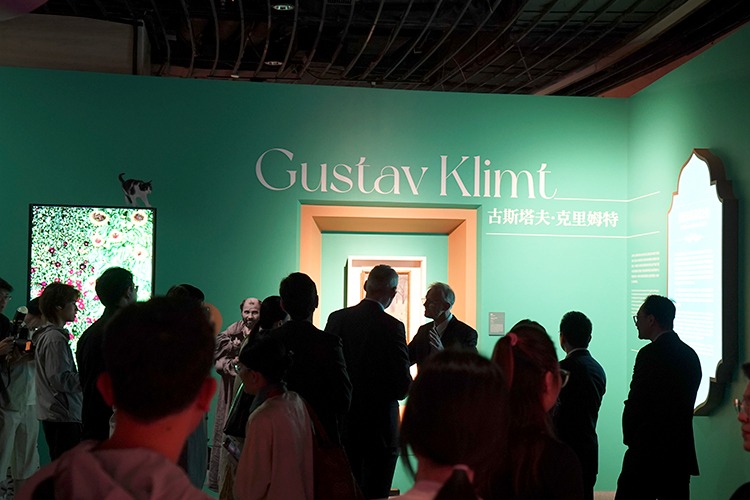
展览现场 (摄影/ 兰红超)
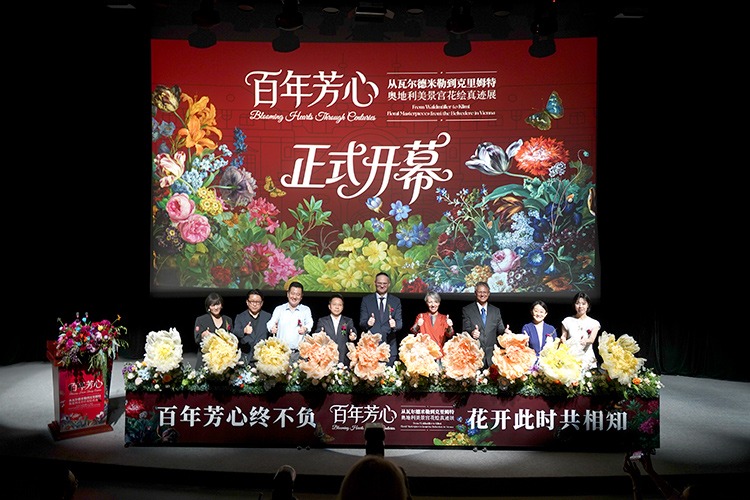
开幕式现场 (摄影/ 兰红超)
部分展出作品:
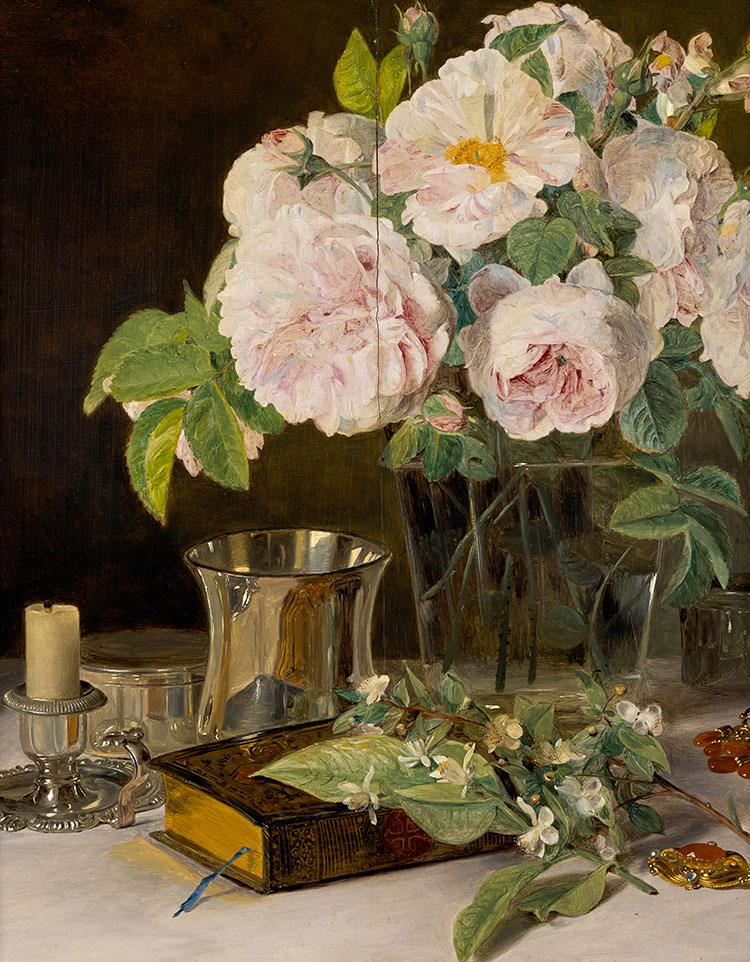
费迪南德•格奥尔格•瓦尔德米勒,《玻璃瓶中的玫瑰》,木板油画,1831年 ©Belvedere, Vienna
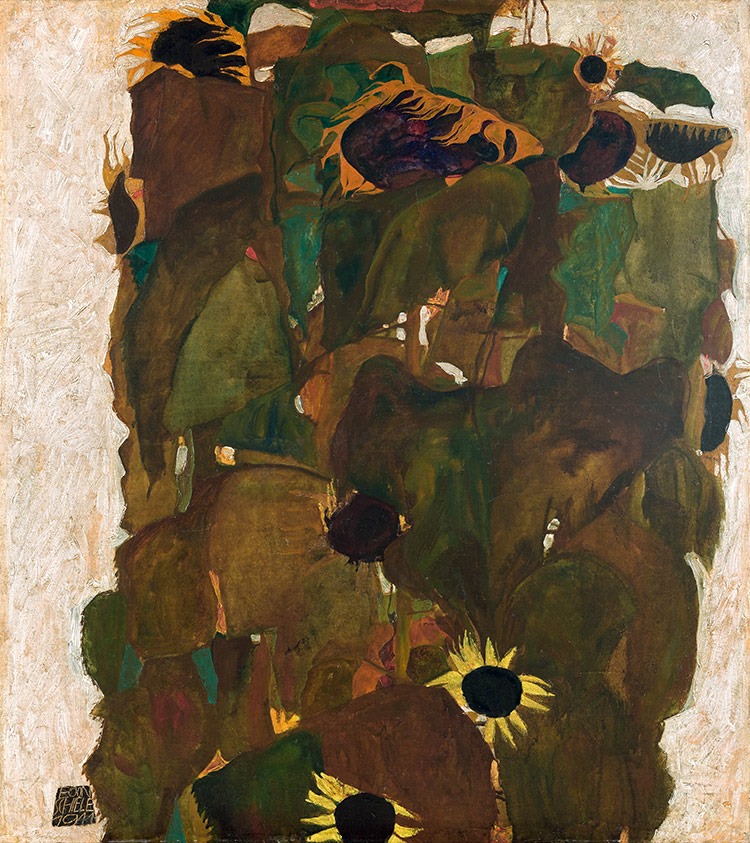
埃贡•席勒,《向日葵I》,布面油画,1911年 ©Belvedere, Vienna
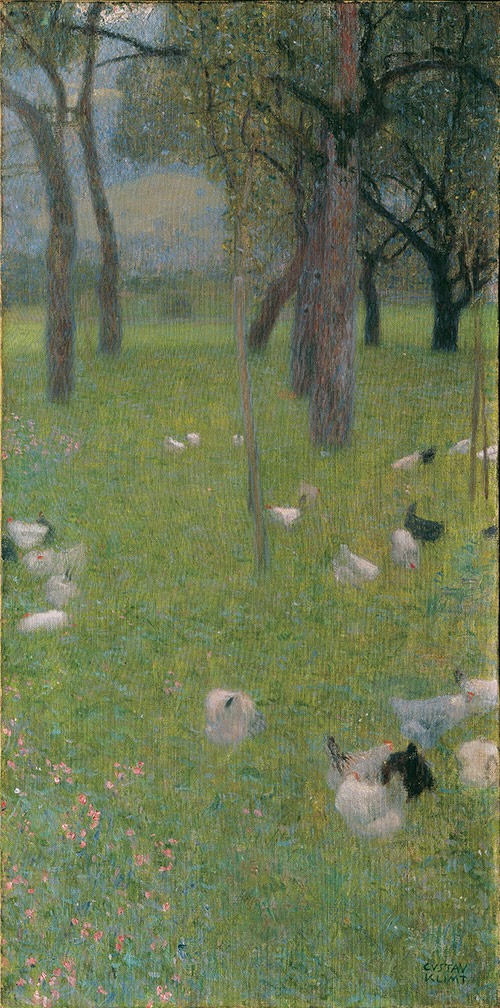
古斯塔夫•克里姆特,《雨后》,布面油画,1898年 ©Belvedere, Vienna
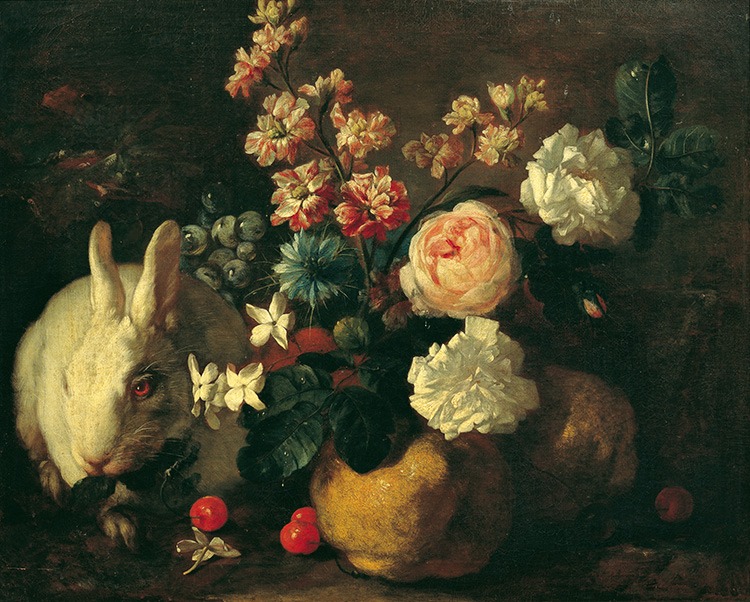
弗朗茨•维尔纳•塔姆,《静物画:野兔、鲜花与水果》,布面油画,1720/1724年 ©Belvedere, Vienna
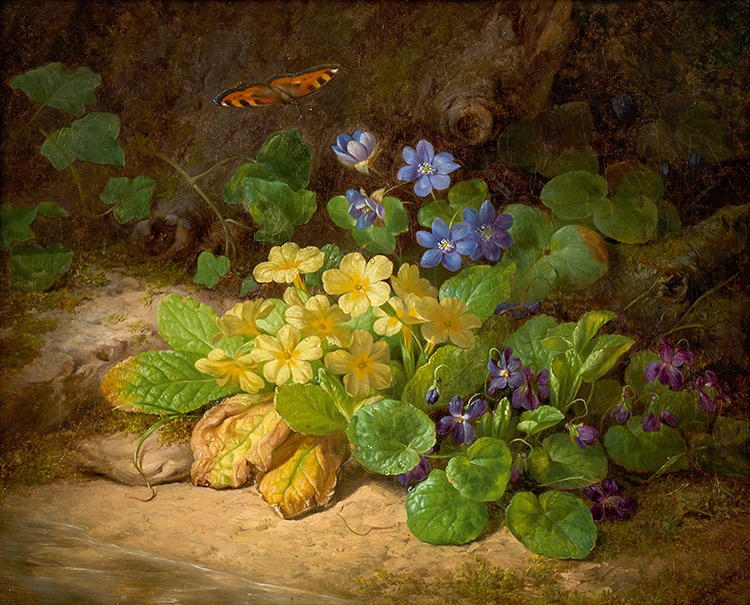
约瑟夫•劳尔,《小花卉场景(高山花卉)》,布面油画,1860年 ©Belvedere, Vienna
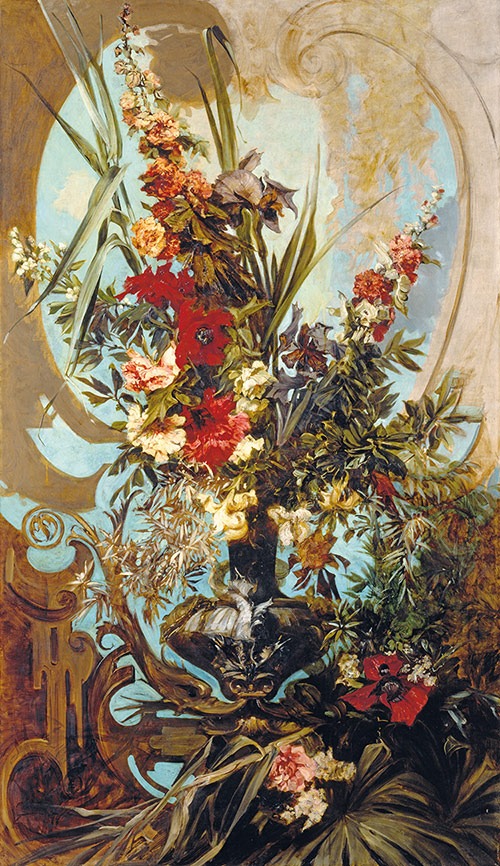
汉斯•马卡特,《装饰花束》,布面油画,1884年 ©Belvedere, Vienna
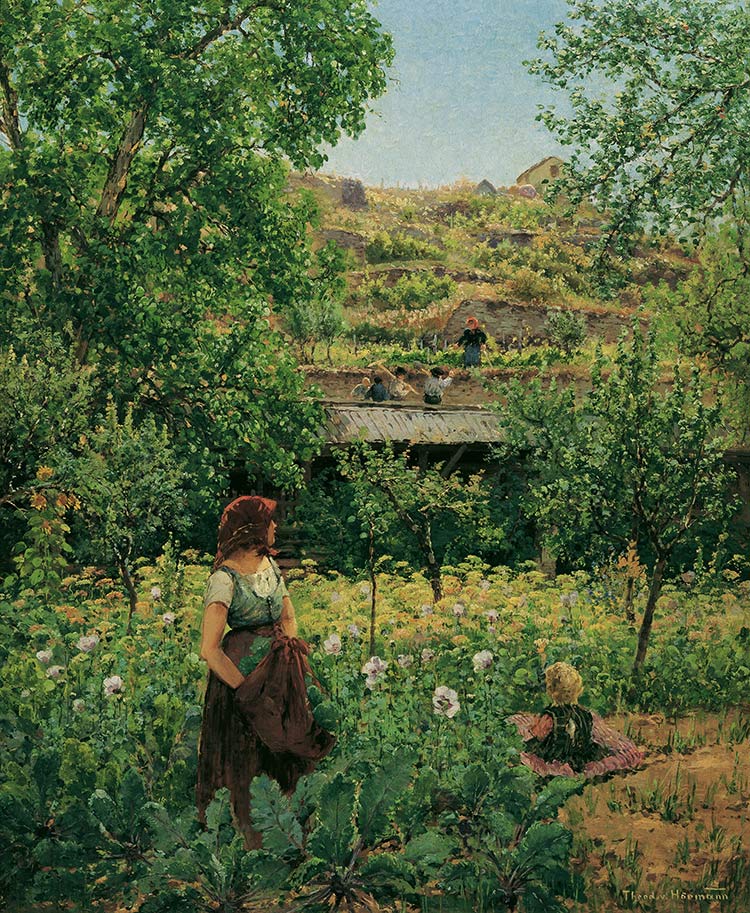
西奥多•冯•赫尔曼,《虞美人花丛中的少女》,木板油画,1892年 ©Belvedere, Vienna
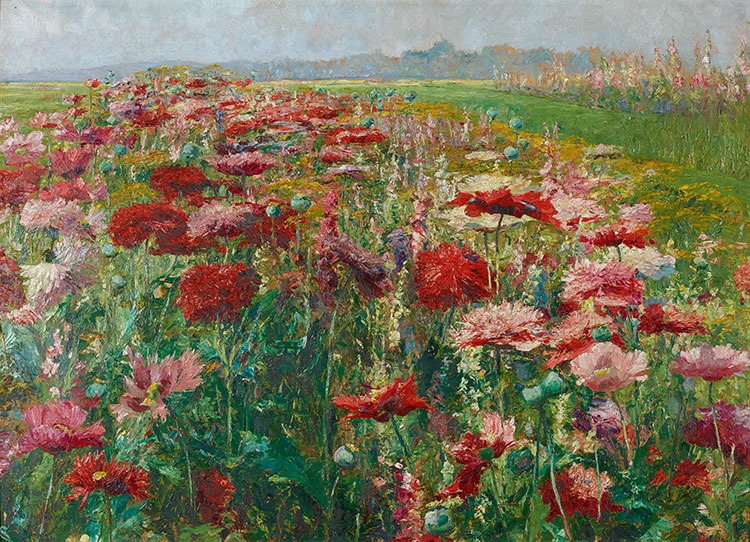
奥尔加•维辛格-弗洛里安,《绽放的虞美人》,硬纸板油画,1895/1900年 ©Belvedere, Vienna